DIGITAL ARCHIVE · SPIRIT-WRITING · REPUBLICAN CHINA
An online archive traces the spirit-writing networks and institutional history of Daoyuan, a popular religious organization/sect founded in Republican China.
Copyright © 2026 Xin ZHOU. All rights reserved.
GUIDE
How to Use This Archive
Stylus Nexus is a digital humanities platform for exploring Daoyuan's spirit-writing networks and its history in Republican China.
Dive into the Archive
Browse digitised primary sources from the archive collection, with bibliography and texts.
Explore the Timeline & Map
Follow the interactive map to find how Daoyuan developed its branches across East Asia.
Read the Project Blogs
Blogs and essays explaining key terms, historical background, and also some tech issues.
TIMELINE & MAP
Mapped Daoyuan History
Explore more about Daoyuan's institutions, events, and networks across East Asia from 1921-1928.
Daoyuan was established in Jinan, Shandong, and branches were set up in Tianjin, Beijing, and Jining.
Officially registered with the government. Red Swastika Society founded as charitable arm of Daoyuan
More than 60 new branches were established nationwide, bringing the total to over 100.
Opened Kobe branch in cooperation with Japan's Ōmoto-kyō, beginning transnational expansion.
Branches exceeded 200, but were suppressed and shut down by the newly established Nanjing government
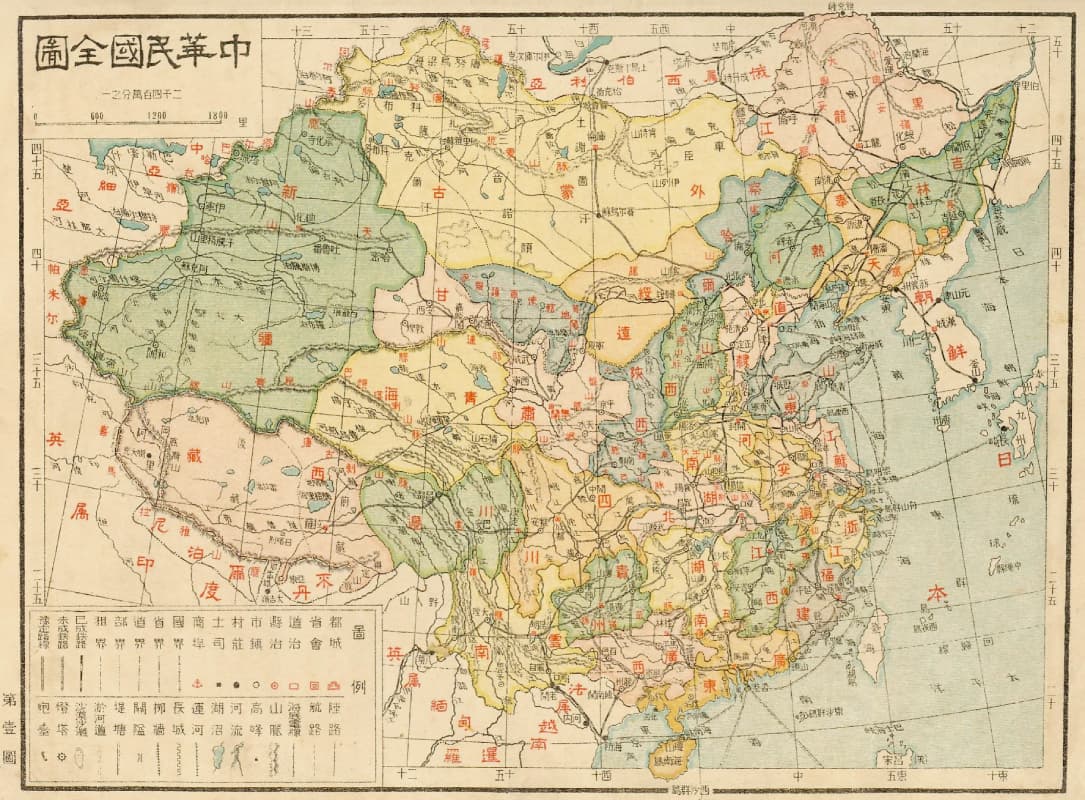
Interactive Map
ARCHIVE
Library Catalogue
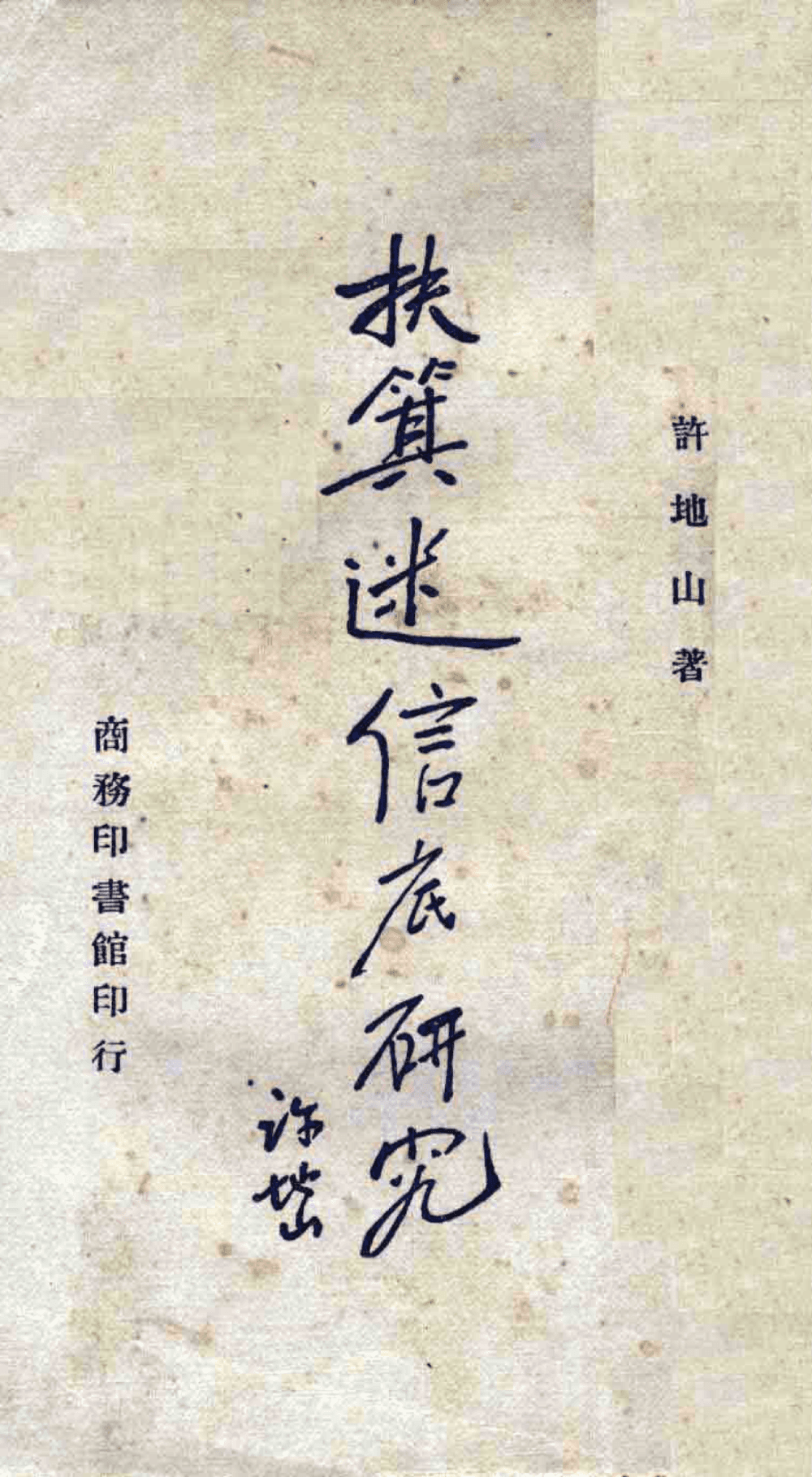
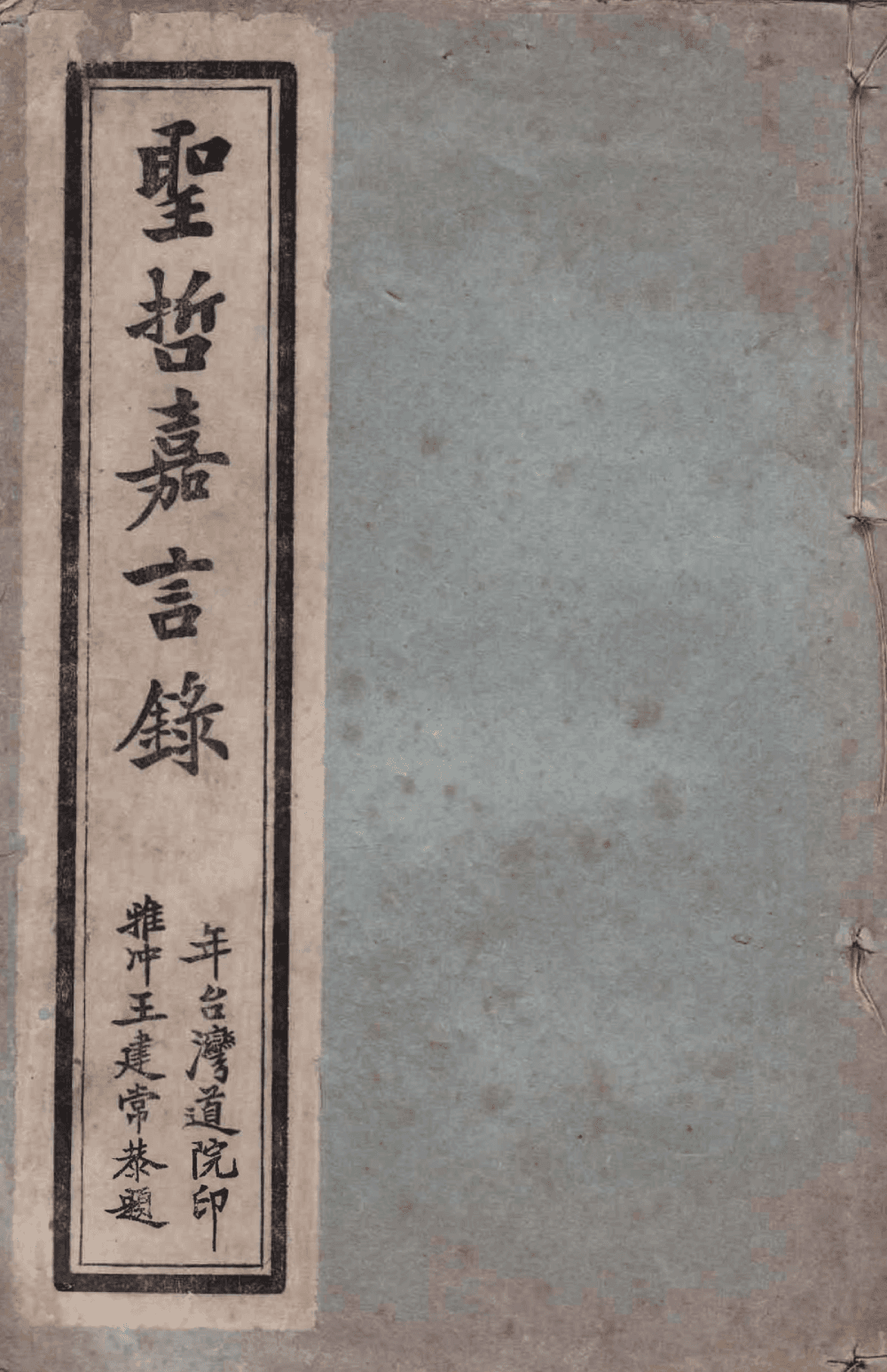
Explore digitised primary sources from the Daoyuan's spirit-writing publication, with bibliography and full texts.
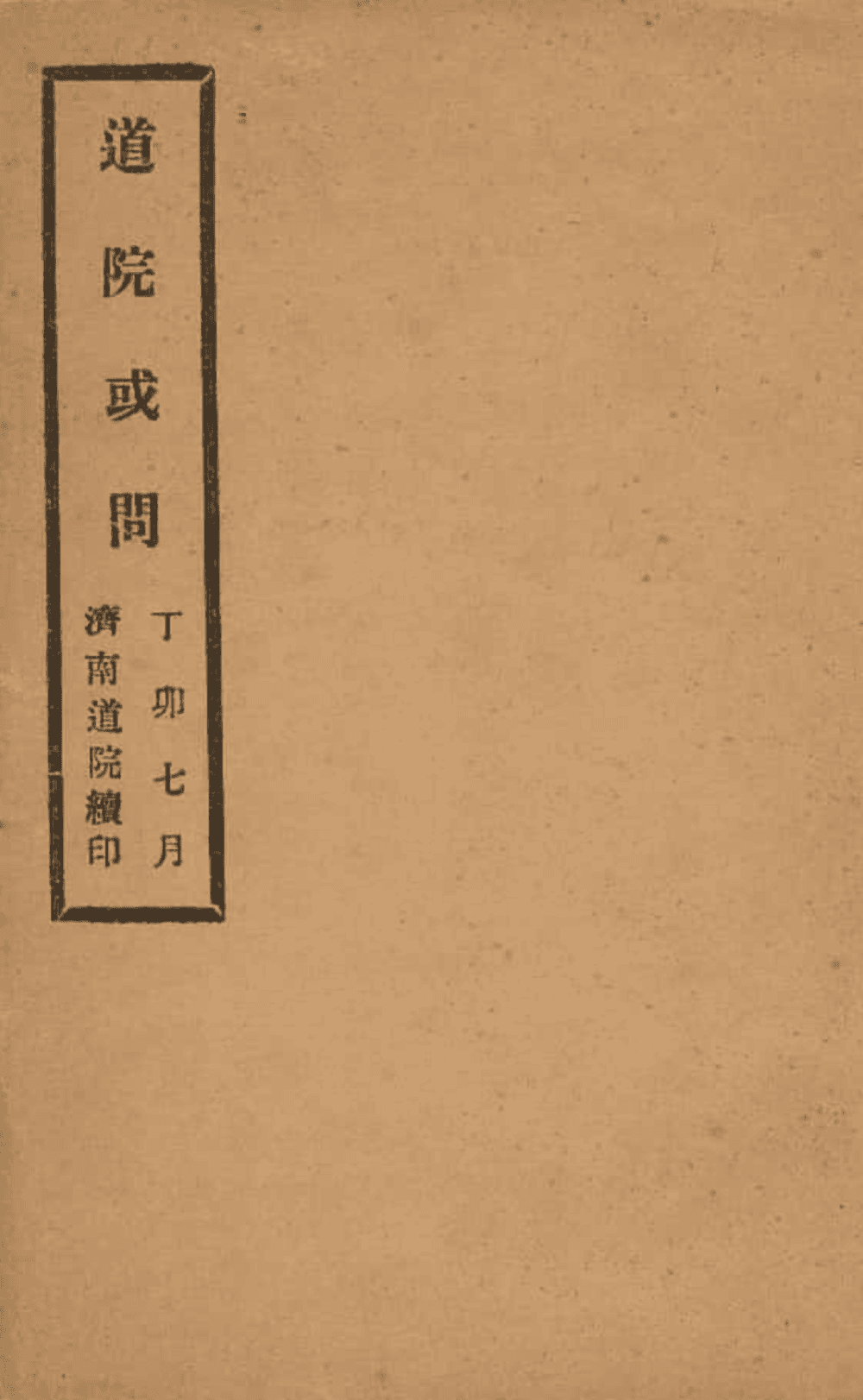
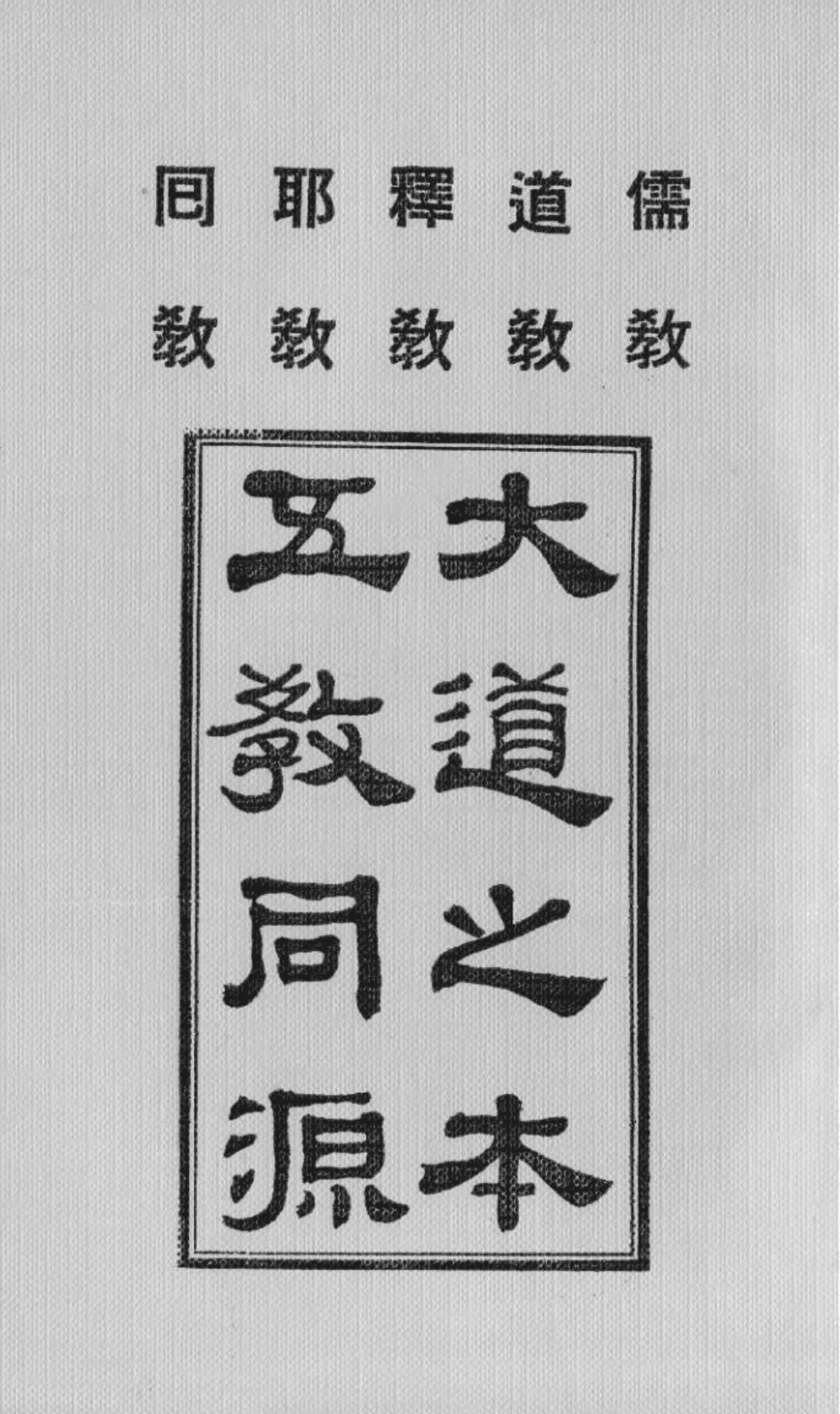
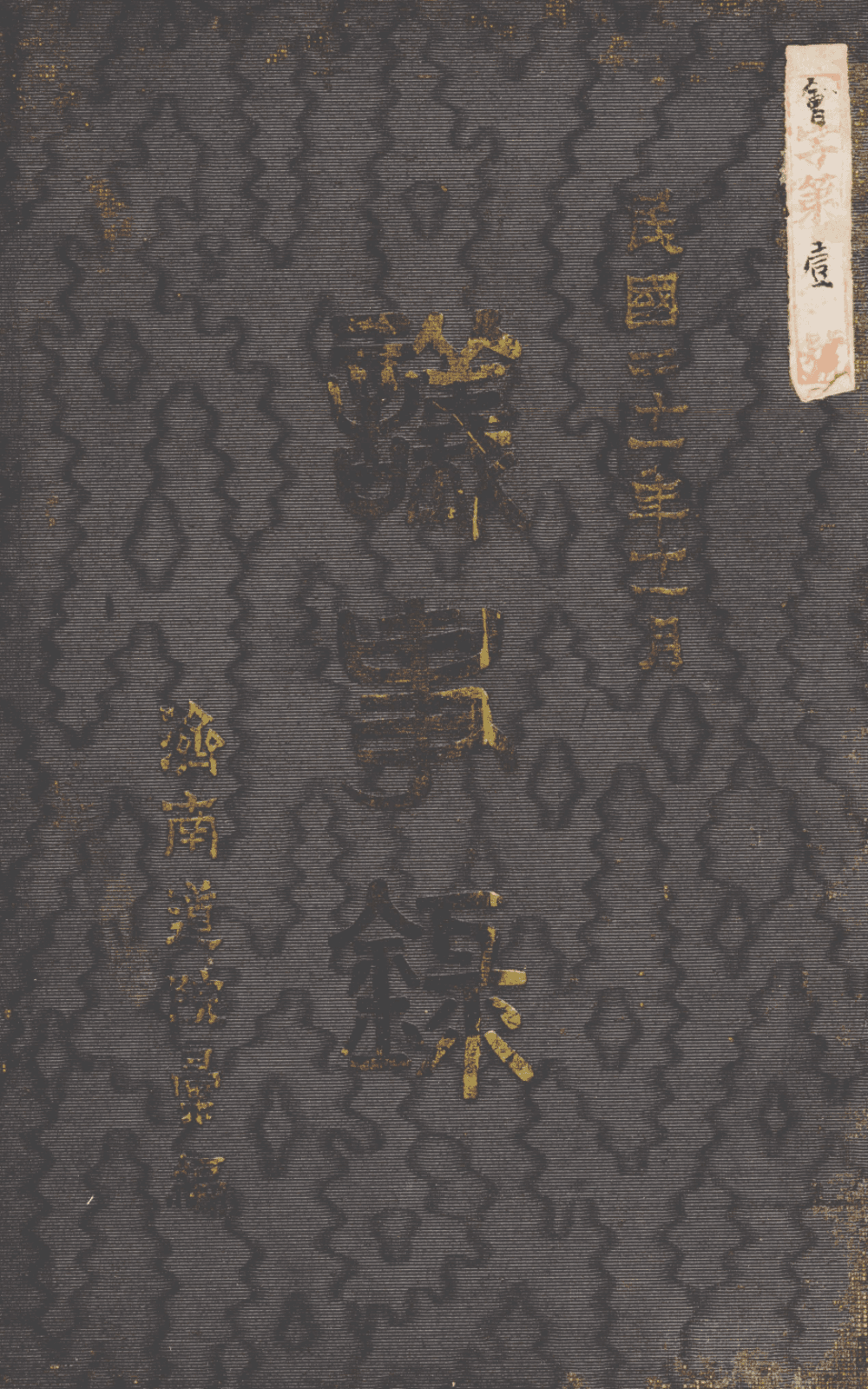
BLOG
Research Blogs
Short research blogs offered by the project team, explaining key terms, historical context, and also the project updates.
What is Fuji (扶乩)?
An introduction to the spirit-writing practice central to Daoyuan rituals.
History of Daoyuan (道院)
The institutional development of Daoyuan from its founding in Jinan through North China.
The Red Swastika Society
Context for the Red Swastika Society and its relationship to Daoyuan.
Spirit-Writing and Publication
How altar sessions produced texts that were edited, printed, and circulated.
ABOUT
About This Project
This DH project is built upon the systematic cataloging of a corpus of religious publications, centered on the Daoyuan, a major spirit-writing community of Republican China.
Project Team
This project is built and maintained by Kim, an MA student at FU Berlin, and his AI agent Dingir.
For more information about Kim, please visit xinzhou.xyz
Acknowledgment
This project developed through a course taught by Dr. Christian D. Casey: Digital Humanities and Data Sustainability (26 So, FU Berlin).
For users who are working on Chinese religious studies or similar topics, or are just curious about this project, feel free to contact or contribute!
References
Chao, W.-P. (1942). The origin and growth of the Fu Chi. Folklore Studies, 1(1), 9–27.
Goossaert, V. (2022). Making the gods speak: The ritual production of revelation in Chinese spirit-writing cults. Harvard University Asia Center.
Jordan, D. K. (1986). The flying phoenix: Aspects of Chinese sectarianism in Taiwan. Princeton University Press.
Lackner, M., & Lu, Z. (Eds.). (2022). Handbook of divination and prognostication in China. Brill.
Lang, G., & Ragvald, L. (1998). Spirit-writing and the development of Chinese cults. Sociology of Religion, 59(4), 309–328.
Palmer, D. A. (2007). Qigong fever: Body, science, and utopia in China. Columbia University Press.
Palmer, D. A. (2011). Chinese redemptive societies and salvationist religion: Historical phenomenon or sociological category? Journal of Chinese Theatre, Ritual and Folklore / Minsu Quyi, 172, 21–72.
Schumann, M. (2026). Struggling for legitimacy: Spirit-writing and redemptive societies in Republican China. Brill.
Schumann, M., & Valussi, E. (Eds.). (2023). Communicating with the gods: Spirit-writing in Chinese history and society. Brill.